Most Americans Can No Longer See The Milky Way
Every summer, landscape photographers and night sky enthusiasts head out of their homes to view the Milky Way after doing extensive research on when the best...
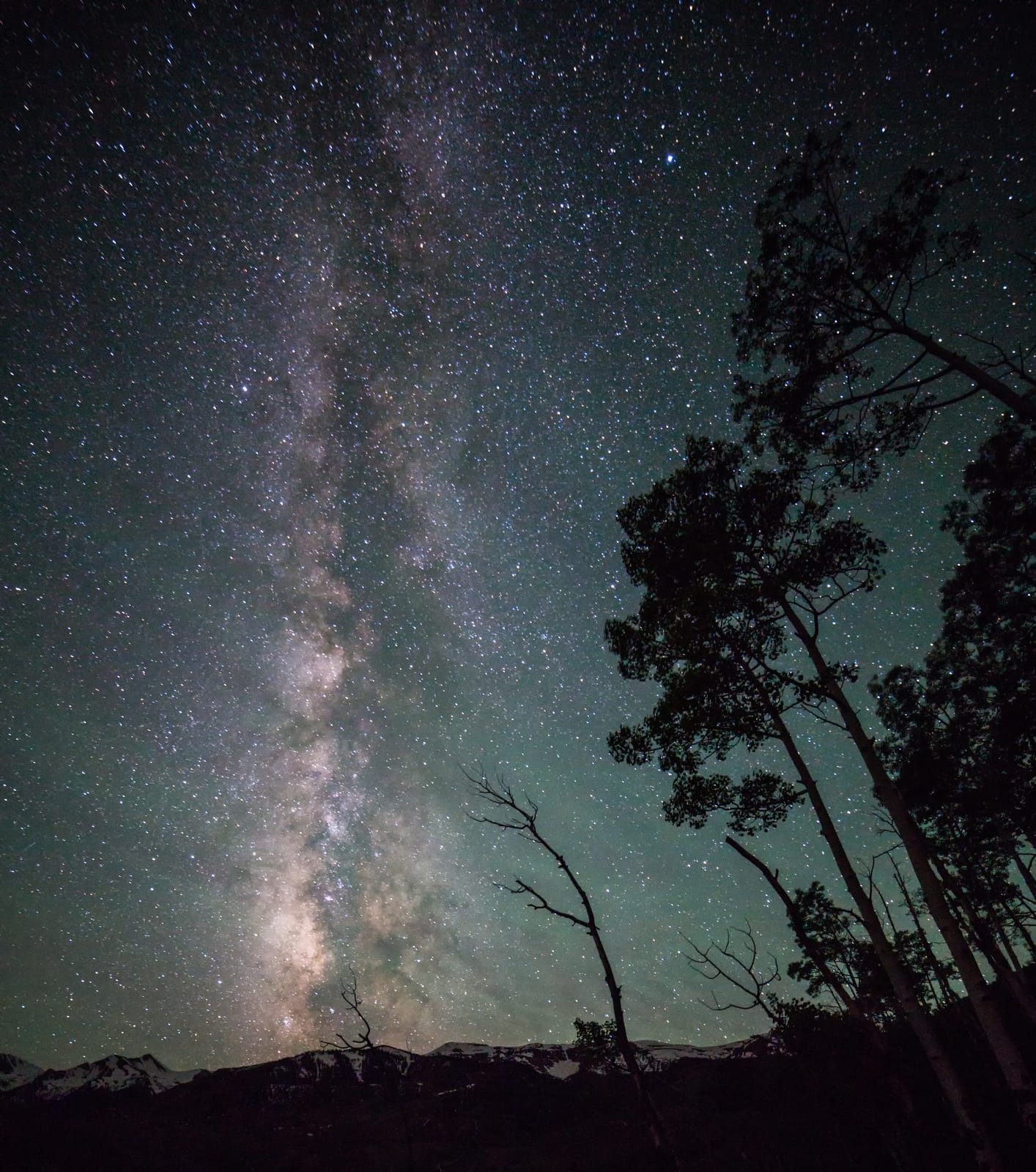
Every summer, landscape photographers and night sky enthusiasts head out of their homes to view the Milky Way after doing extensive research on when the best nights to view the galaxy are. Michael Shainblum even offered some advice and told us his favorite locations to photograph the night skies in the western United States. Sadly, though, based on information released in the latest Journal of Science Advances, star seekers are increasingly finding it more difficult to see the Milky Way, as increased amount of light pollution have made it so 80% of North Americans can no longer see the galactic marvel.
This world map released by the Journal for Science Advances shows the light pollution across the globe. The yellow and red spots signify extreme light pollution, whereas the black spaces show nearly zero light pollution.
If that seems like a lot, consider the alternative. No one in Singapore can see the Milky Way, as “100% of the population lives under skies so bright that the eye cannot fully dark-adapt to night vision,” according to the study. Singapore is closely followed by Kuwait(98%), Qatar(97%), and the United Arab Emirites(93%), whereas the African countries of Chad, Central African Republic, and Madagascar have populations least affected by light pollution, therefore, allowing most of the population to still see near pristine night skies.
A detailed version of the United States light pollution map shows that 99% of the population lives under some form of light pollution.
The study is a reminder that the ever increasing world population has lasting consequences for us and our children. For photographers who live to capture these beautiful scenes, this should serve as a wake-up call that our future generations will not have the same night sky views that we are lucky enough to seek out.
Luckily, visual artists like Ben Canales are doing incredible work to help bring awareness to the alarming issue.
See More
Check out some incredible photos and time-lapse films
that highlight the beauty of the Milky Way.
Below are some photos that should help inspire you to step up and act now to save the starry skies for our future generations.
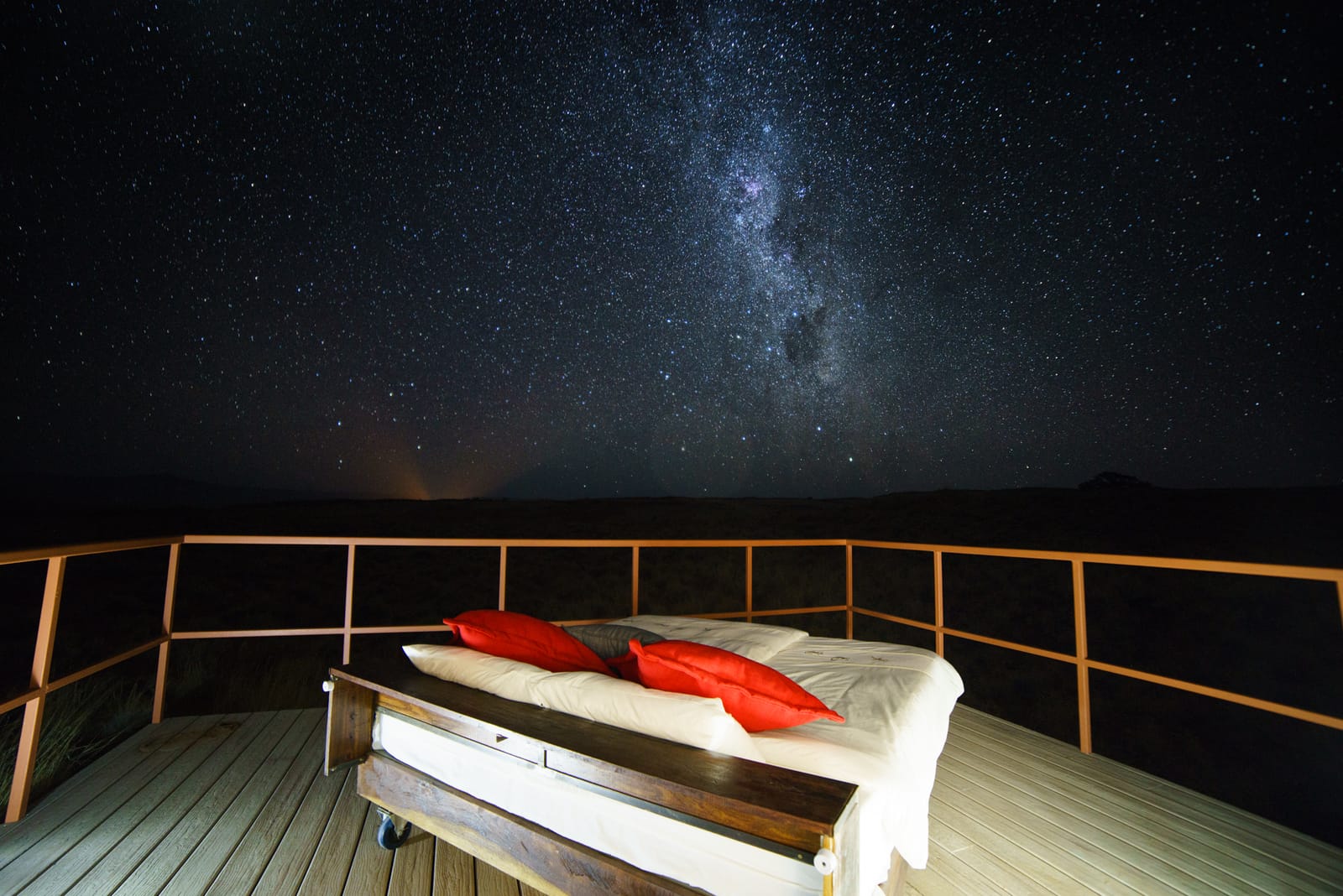
The Milky Way Rises Over Our Outdoor Bed At The Gondwanna Collection Namib Dune Star Camp. Photo by Michael Bonocore
Photo by ONElapse
Photo by ONElapse
Photo by ONElapse
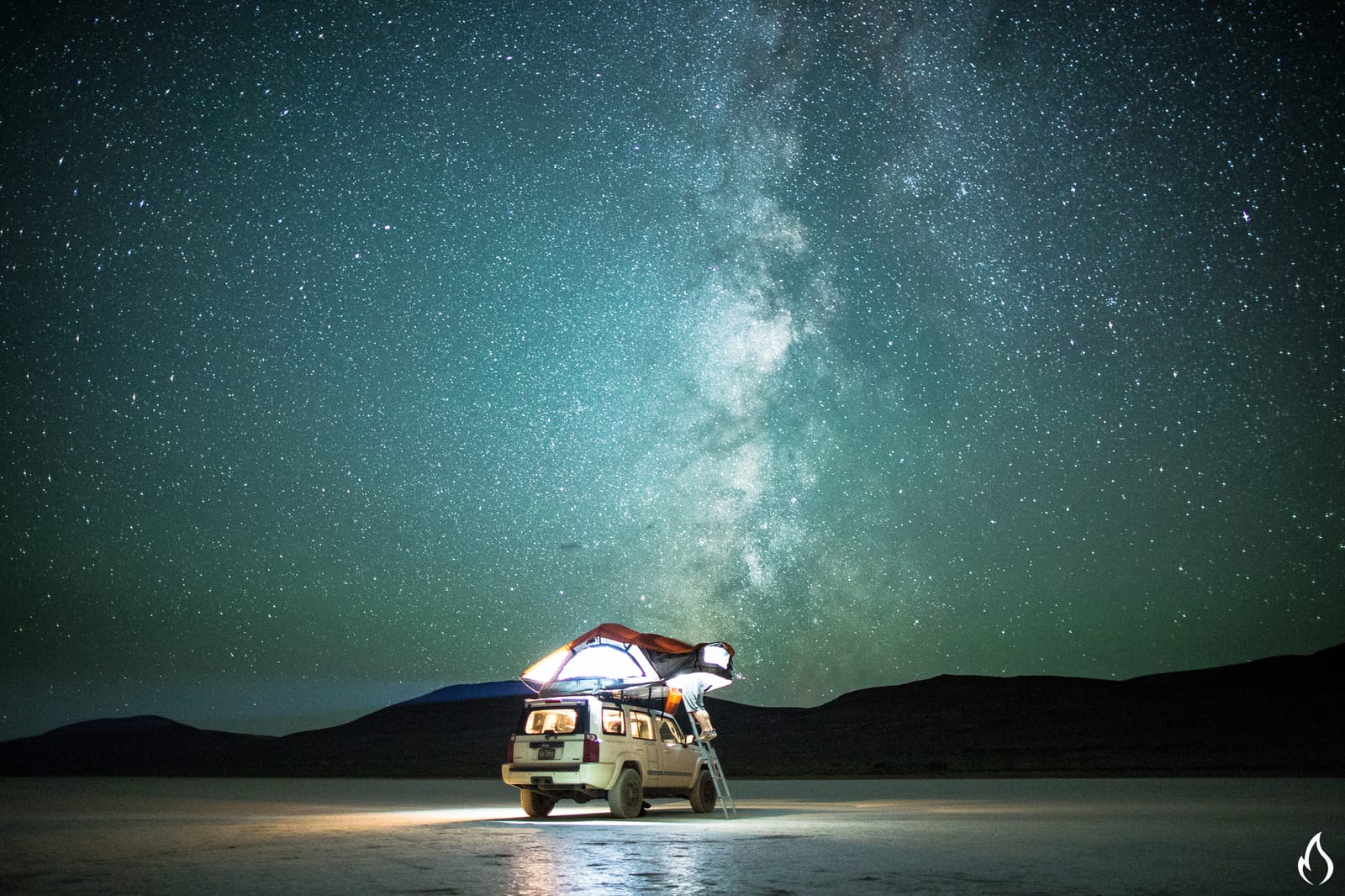
Photo by Andy Best
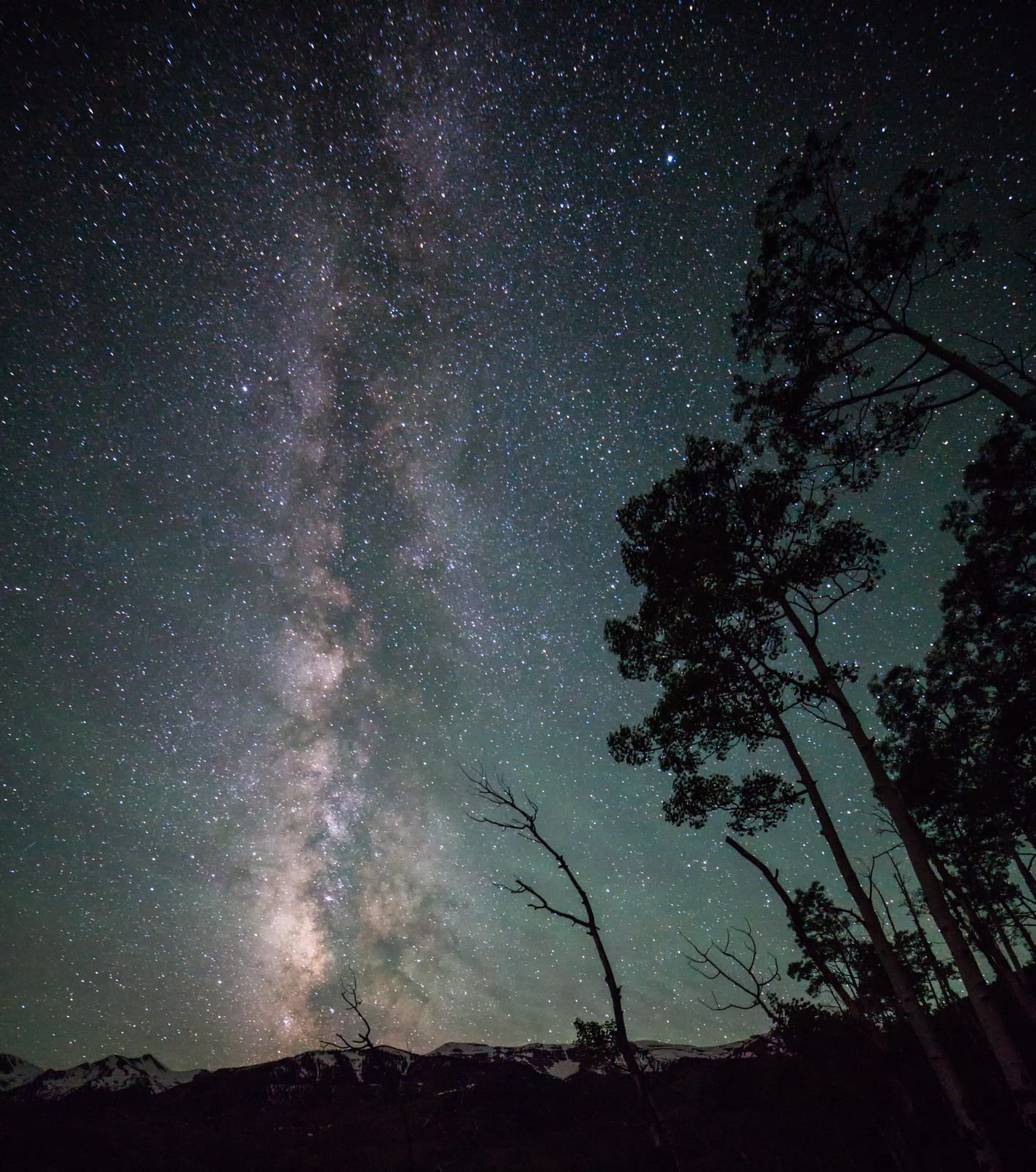
Photo by Michael Bonocore
Photo by Mark Gvazdinskas
Photo by Toby Harriman
Photo by Toby Harriman
Photo by Michael Shainblum
Photo by Michael Shainblum
Photo by Michael Shainblum
Photo by Michael Shainblum
Photo by Michael Shainblum
Photo by Michael Shainblum
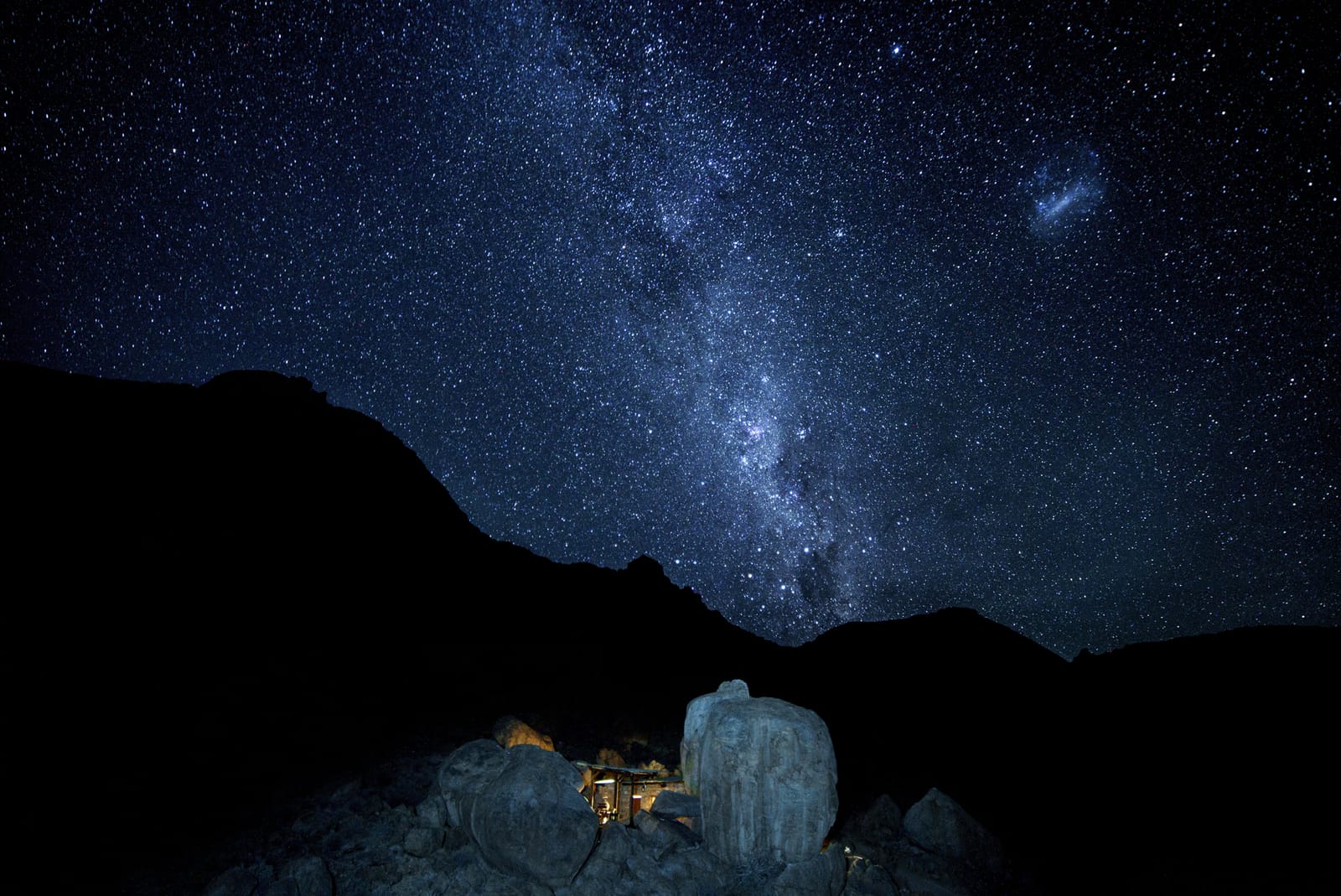
The Milky Way rises over our home built into the rocks at the Gondwana Collection Klein-Aus Vista. Photo by Michael Bonocore
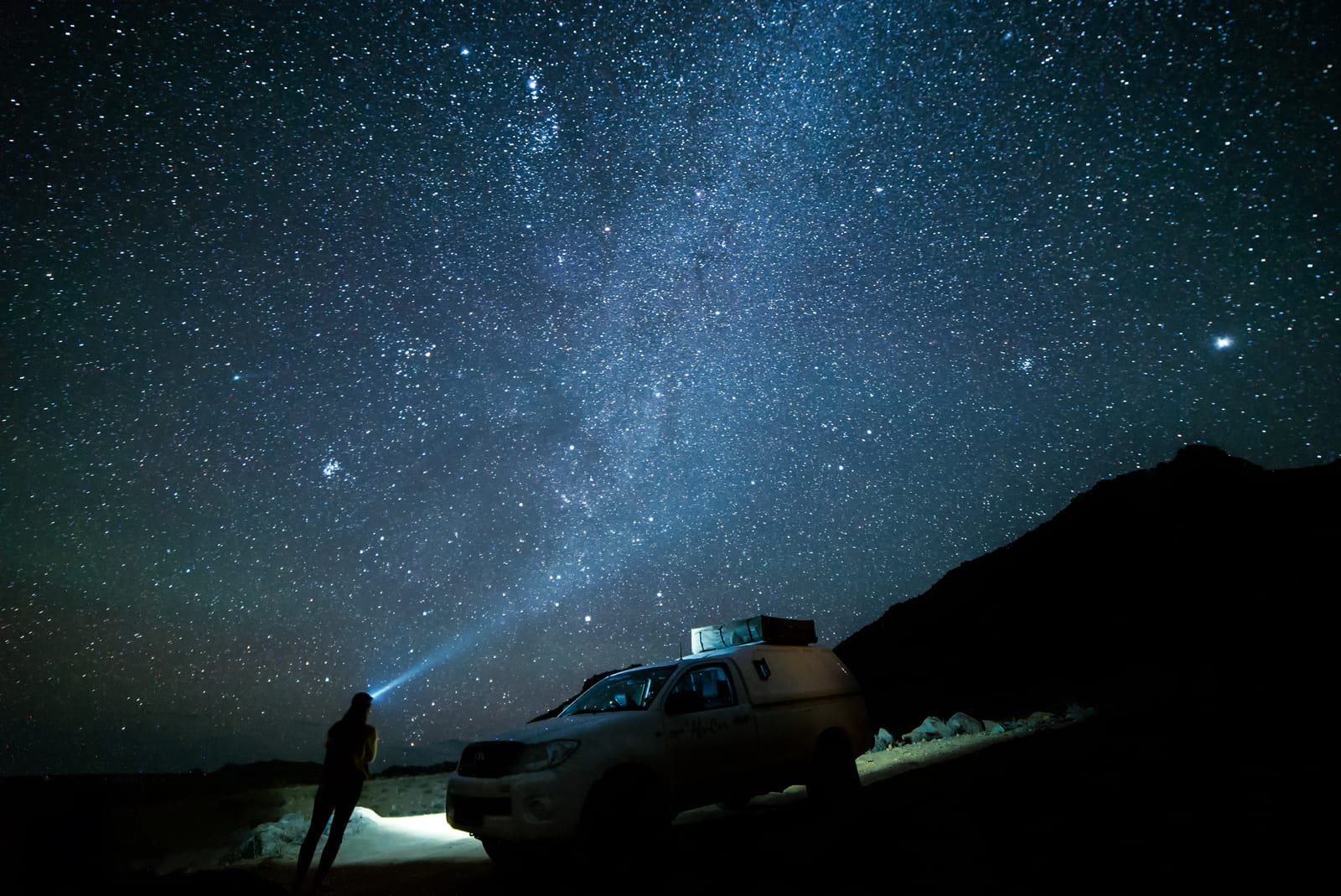
While driving at night is not recommended, using your adventure vehicle in night photo compositions is always recommended. Photo by Michael Bonocore